497th Anniversary
The Capuchins emerged as a reformist group within the Franciscans, protesting the laxity of the Observant Franciscans. This movement was inspired by Matteo da Bascio’s desire to revive Francis’ original ideals: poverty, hermitic solitude, and itinerant preaching. The Franciscan Observance opposed this split, which led to the Capuchins seeking papal approval for their existence.
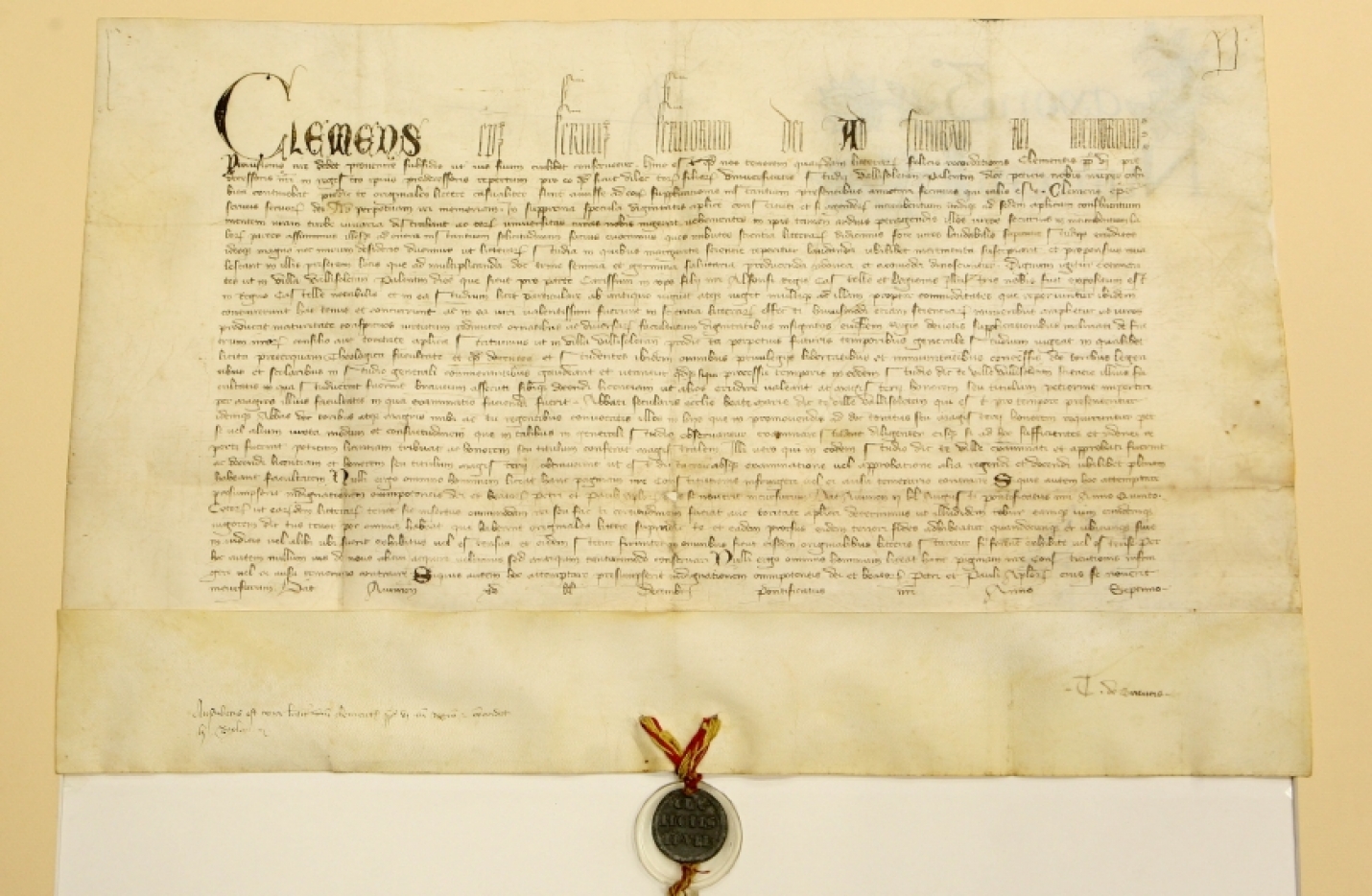
With the mediation of Caterina Cibò, Duchess of Camerino, on the 3rd July 1528 in Vitebro, Pope Clement VII, through the Papal Bull Religionis Zelus, formally approved the Capuchin Franciscan Order, a branch of the Franciscan Order, endorsing their return to a stricter observance of St. Francis’ Rule. He addressed this letter to Matteo da Bascio, Ludovico da Fossombrone, and Raffaele da Fossombrone, the early Capuchin reformers.
“By the zeal of religion, We grant these friars the liberty to observe the Rule of St. Francis in its primitive purity… to preach penance and renew the Church’s spirit.”
This Bull granted the Capuchins autonomy to live as an independent reform branch under the Franciscan tradition and permitted their distinctive hooded habit (the cappuccio), to wear beards, and to lead an austere lifestyle. The mission and the Charism of the brothers was and remains: Preaching to the poor, going to places people do not want to go; Hermitic life, a combination of solitude with active ministry; and Strict poverty, relying on alms.
Finally, the bull allowed the Capuchins to elect their superiors, while remaining loyal to the Church amid Reformation tensions.